Our Services:
Anxiety Disorders.
Anxiety disorders can occur during transitions like starting a new business, causing emotions to swing between excitement and fear. Recognizing these reactions is vital for managing anxiety. Acknowledging self-doubt can help frame experiences better. Breaking goals into smaller steps makes tasks more achievable, reducing anxiety. Mindfulness and grounding techniques offer immediate emotional relief and control. Developing coping mechanisms is helpful during heightened anxiety.

PTSD.
PTSD (Post-Traumatic Stress Disorder) develops after trauma and includes symptoms like intrusive thoughts, emotional numbness, avoidance, and hyperarousal. When sharing your PTSD story, focus on:
Personal Narrative: Describe your experience and its effects.
Educational Component: Explain symptoms, causes, and treatment.
Coping Strategies: Recommend therapy and mindfulness.
Community Engagement: Highlight support and meaningful discussions.

ADHD.
ADHD impacts anxiety, particularly during transitions like starting a business. Emotional shifts between excitement and fear can be overwhelming. Recognizing these reactions is crucial for managing anxiety. Acknowledging self-doubt helps foster a positive outlook. Breaking larger goals into smaller steps makes tasks less intimidating, lowering anxiety. Mindfulness and grounding techniques offer immediate emotional relief. Developing personalized coping strategies empowers individuals during heightened anxiety, building resilience to navigate challenges with confidence.
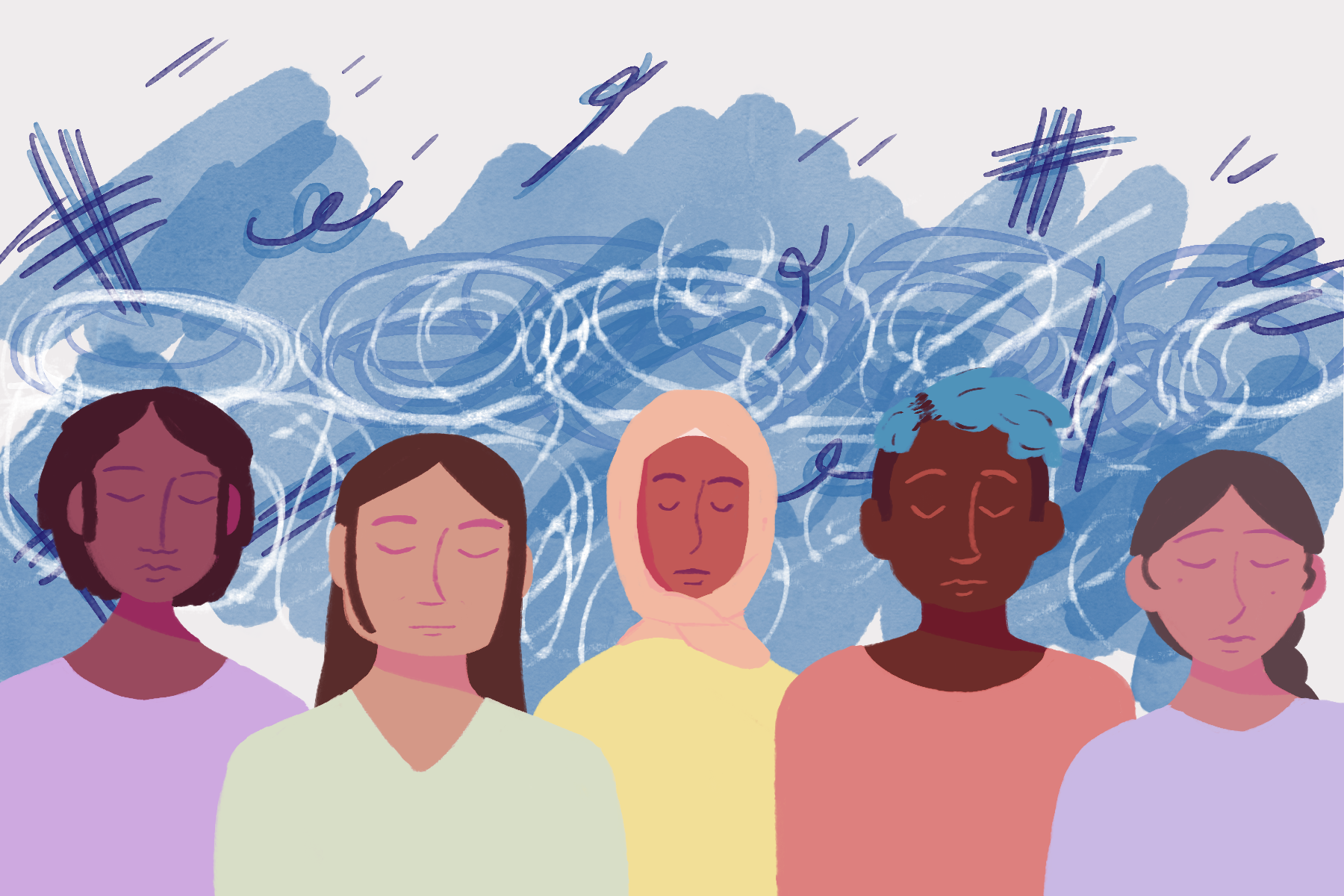

Schizophrenia.
Schizophrenia poses challenges during life transitions, like starting a business, causing anxiety and emotional fluctuations. Managing anxiety involves recognizing feelings and constructively addressing self-doubt. Breaking goals into manageable steps helps reduce overwhelm. Mindfulness and grounding techniques provide immediate relief and promote awareness. Personalized coping strategies are vital for emotional stability during transitions.

Major Depression.
Major Depression often coexists with PTSD, complicating psychological challenges. Trauma can erase joy and cause emotional numbness. Safe situations may trigger anxiety, leading to avoidance. Hyperarousal heightens distress. Key PTSD symptoms include intrusive thoughts, flashbacks, emotional numbing, irritability, and sleep issues. It can affect anyone and usually requires therapy and medication. Cognitive-behavioral therapy (CBT) addresses trauma, while mindfulness promotes calm.

Bipolar Disorder.
Bipolar Disorder and ADHD can increase anxiety during major transitions like starting a business. Emotional fluctuations create intense excitement and fear. Recognizing these reactions is crucial for anxiety management. Acknowledging self-doubt fosters a positive mindset. Breaking goals into smaller steps can reduce anxiety. Mindfulness and grounding techniques provide immediate relief. Tailored coping strategies are essential for overcoming challenges and enhancing resilience. Seeking support improves these strategies for a balanced experience.

Psychosis.
Psychosis can exacerbate major depression, particularly in those with PTSD, intensifying despair and confusion. Trauma leads to emotional numbness, anxiety, avoidance, and isolation, while hyperarousal heightens threat sensitivity. PTSD symptoms include intrusive thoughts, flashbacks, irritability, and sleep disturbances. The overlap of PTSD and depression underscores the importance of effective therapy and medication. Cognitive-behavioral therapy (CBT) aids in trauma processing and coping, while mindfulness practices provide grounding and relief from distress.